
Back on the mats: PRP for training injuries
Tendons and ligaments heal slowly. Here's what PRP can do for the injuries that keep you out of practice.
 Dr. Eugene Muro, NMDRestore Health, Mesa
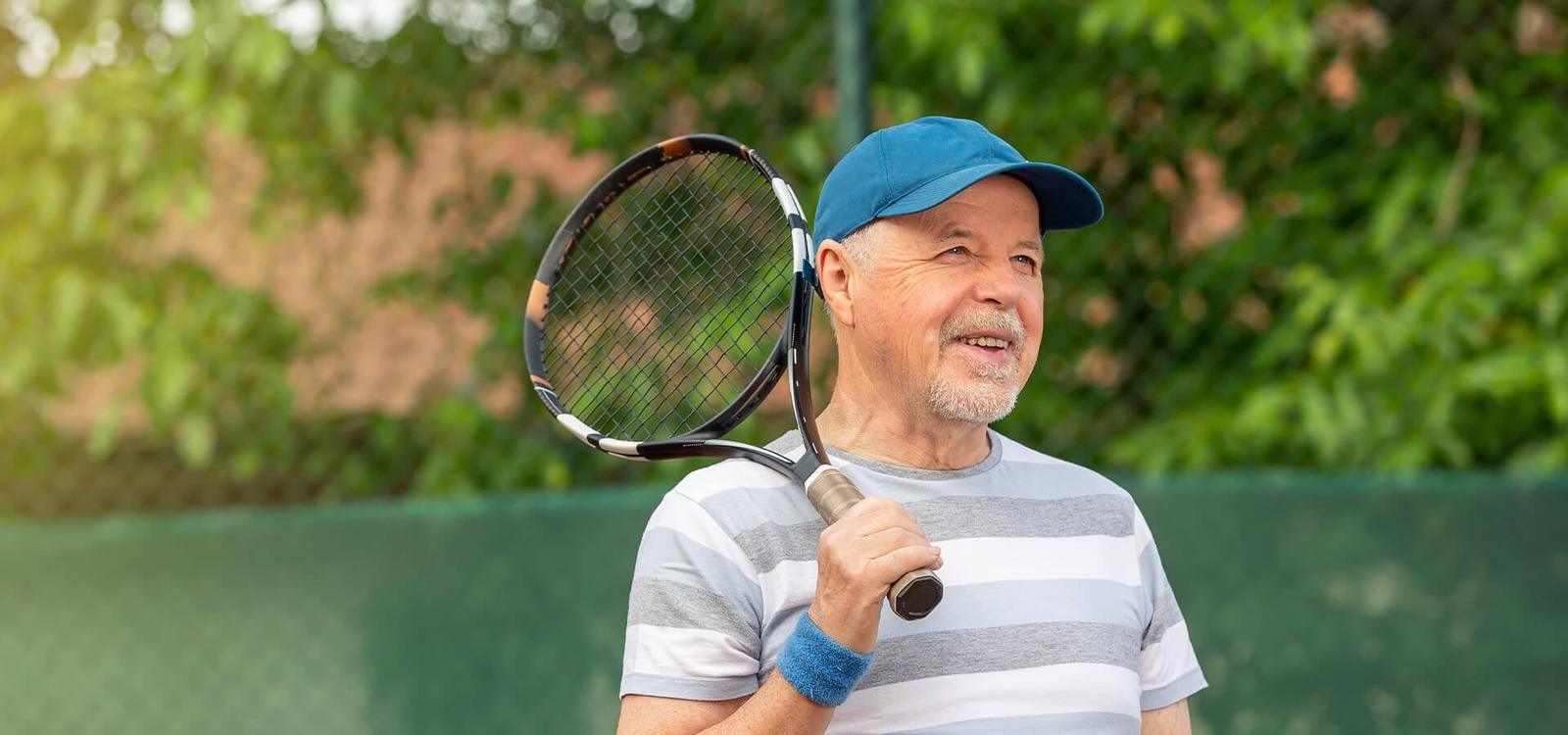
If you train long enough, something eventually gives. An elbow after one too many armbars. A knee that never quite settles after a scramble. A rotator cuff that hates the bench press. Rest helps, then you go back and it flares again.
"If it wasn't for Dr. Neil and the crew I would no longer be able to do my job." A.V., jiu-jitsu coach and patient for over ten years
What PRP is good for
PRP is most often used for soft tissue that's slow to heal with rest alone, usually from overuse or repetitive strain:
- Tendon injuries
- Ligament sprains
- Muscle strains
- Tennis elbow
- Runner's knee
- Rotator cuff injuries
How it works
We draw a small amount of your blood, spin it to concentrate the platelets, and inject that concentrate into the injured area. Because it's your own blood, there are no synthetic drugs involved. If you're in a tested sport, check your federation's rules, but PRP generally doesn't raise the concerns other treatments do.
When can I train again?
It depends on the injury and how your body responds. Your doctor will give you a return-to-training plan, and with your permission we're happy to share it with your coach.
Educational content, not medical advice. Individual results vary. Adapted from the Restore Health blog.