
Staying in the Game at 45: Golf, Pickleball, Tennis and Cycling
How active adults in Mesa, Gilbert and Chandler can keep playing the sports they love into their 40s, 50s and beyond, from the doctors at Restore Health.
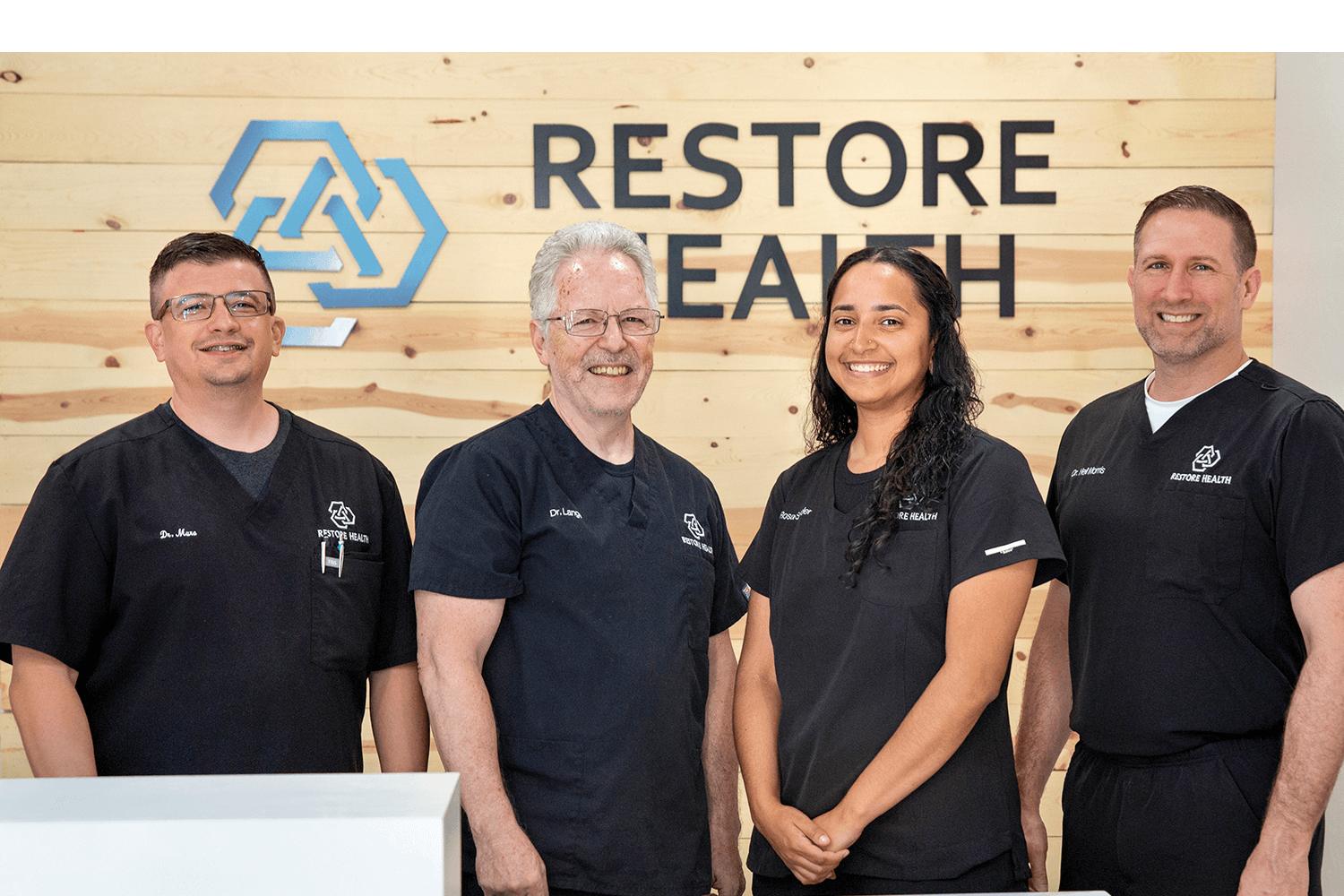 The doctors at Restore HealthRestore Health, Mesa
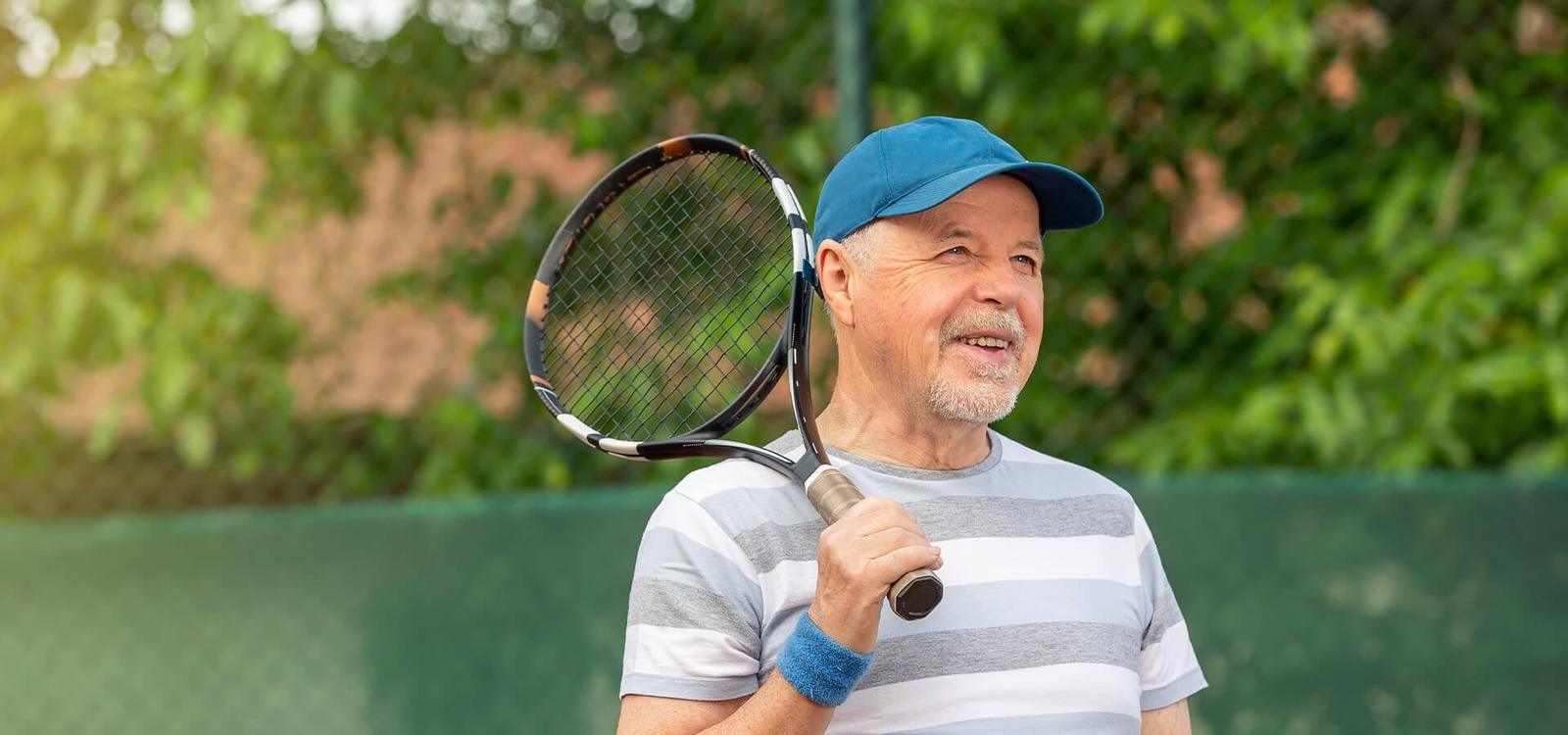
Somewhere in your 40s, the game starts to feel different. The round of golf still goes fine, but your back lets you know about it the next morning. A pickleball session that used to be nothing now needs a day off after. You still love it. You just want to keep doing it for the next twenty years.
We see a lot of East Valley golfers, pickleball and tennis players and cyclists at Restore Health in Mesa. Most of them aren't hurt badly. They're trying to stay ahead of the small problems that turn into big ones. Here is what we tell them.
The common trouble spots by sport
- Golf: low back, the lead shoulder and the inside of the elbow. The swing is a big rotation, and a stiff mid-back makes the lower back and shoulders do extra work.
- Pickleball: calf strains, Achilles problems, wrists from falls and tennis elbow. Quick starts and stops on a hard court add up, especially for people who picked up the sport later.
- Tennis: shoulder, elbow and knees. Serving puts a lot of load on the rotator cuff.
- Cycling: knees, neck and low back, usually from bike fit or a sudden jump in miles. Riding is also easy on the bones, which sounds good but means it doesn't do much to keep them strong.
Strength is the best insurance
We start losing muscle in our 30s, and the loss speeds up as we age unless we push back. Two short strength sessions a week make a real difference. Focus on legs, hips and the upper back, and add some balance work. For cyclists, lifting also gives your bones the load that riding doesn't.
Warm up like you mean it
Five to ten minutes of easy movement before you play does more than static stretching in the parking lot. A few swings with a light club, some side shuffles on the court, or an easy first few miles on the bike all count. Your tendons get stiffer with age, and they need more time to get ready.
Recovery is part of training
Sleep is where most of the repair happens, so treat it as part of your game. Spread protein across your meals instead of saving it for dinner. Drink more water than you think you need in the Arizona heat, and play early in the morning during the summer months. When the weather cools down and the courts and trails fill back up in the fall, build back up over a few weeks instead of going all in on day one.
Don't wait out the nagging stuff
The ache that comes back every time you play is your body telling you something. A tendon problem caught early is usually much easier to treat than one that's been ignored for a year. At Restore Health, Dr. Morris and Dr. Muro look at the injury with ultrasound in the office and talk through options like PRP injections when they fit. Read more about how we treat training injuries.
Know your numbers
Energy, recovery and strength all depend on more than training. Low iron, low vitamin D, thyroid issues and dropping hormones can all make you feel like you're losing a step. A full lab panel shows you what's going on, and gives you a baseline to track over time.
If you're in Mesa, Gilbert, Chandler or elsewhere in the East Valley and want a plan to keep playing, read about our performance and longevity care or book a visit.
Educational content, not medical advice. Individual results vary.