
What's in a Full Lab Panel, and What the Numbers Mean
A plain-language guide to the blood work behind every plan at Restore Health in Mesa, AZ: what a broader panel looks at and why normal isn't always the same as good.
 The doctors at Restore HealthRestore Health, Mesa
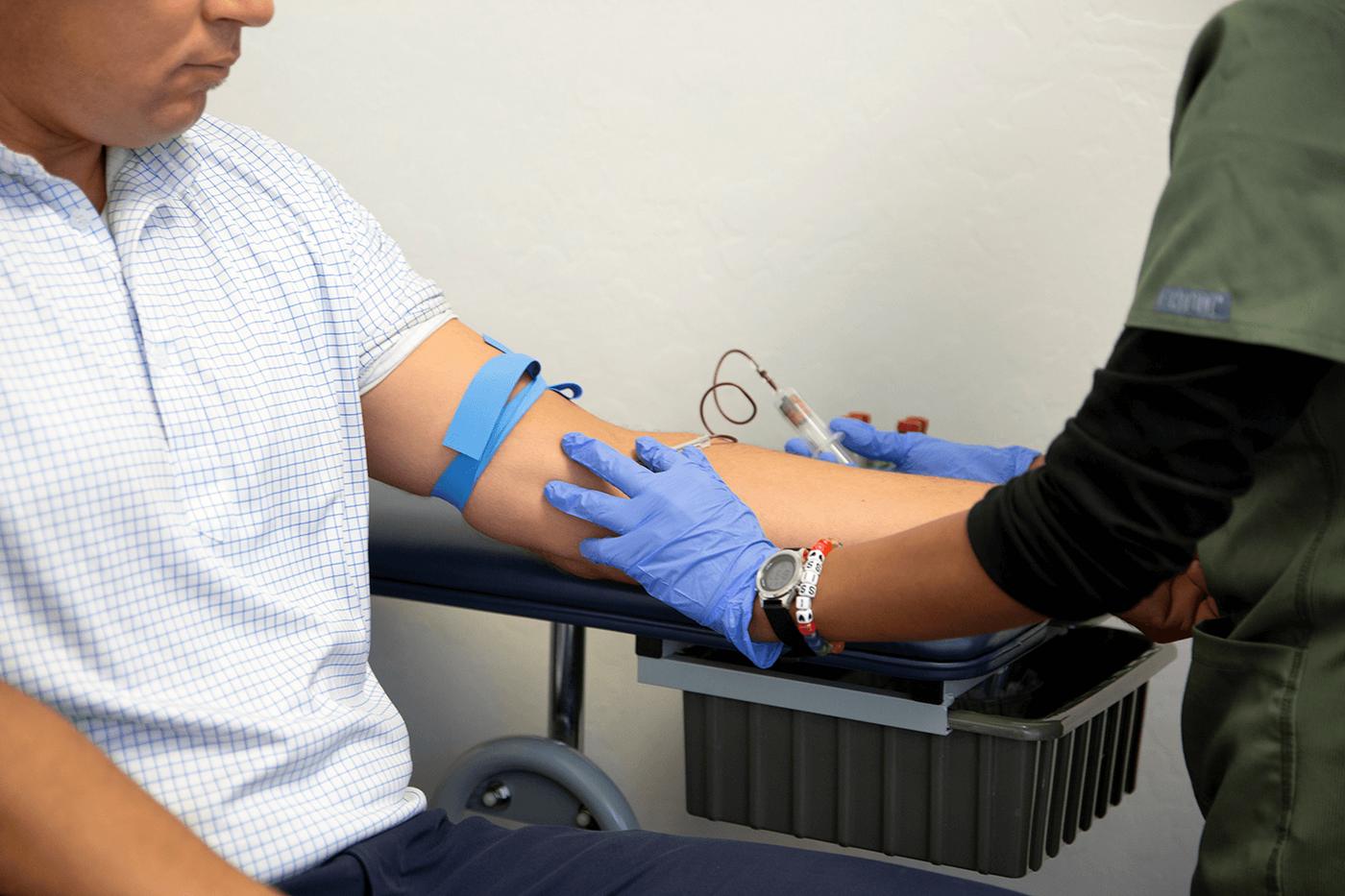
Most people get the same handful of blood tests at a yearly physical, hear that everything looks normal, and move on. That's fine when you feel great. It's less helpful when you're tired by 2 p.m., your recovery has slowed down, or you just want to know where you stand before something goes wrong. At Restore Health in Mesa, a full lab panel is where almost every plan starts, and we go through it with you line by line.
Here is what a broader panel usually looks at, in plain language. Your doctor picks the exact tests based on your history and goals, so yours may look a little different.
The basics: blood counts and a metabolic panel
A complete blood count looks at red cells, white cells and platelets. It can point to anemia, infection or problems with how your blood clots.
A metabolic panel checks your kidneys and liver, your electrolytes and your blood sugar at the moment of the draw. These are the numbers most people already know from a physical.
Blood sugar over time
A single glucose reading only tells you about that morning. Hemoglobin A1c shows your average blood sugar over roughly the past three months. Fasting insulin can show your body working harder to keep blood sugar steady, often years before glucose itself climbs. That's useful to know early, while small changes in food, sleep and exercise still make a big difference.
Cholesterol and heart health
A standard lipid panel covers LDL, HDL and triglycerides. Depending on your family history, we may add other markers that give a clearer picture of heart risk than total cholesterol alone.
Thyroid
Your thyroid sets the pace for a lot of what your body does, including energy, weight, temperature and mood. A screening physical often checks only TSH. A broader look can include free T4 and free T3, which helps when you have symptoms and your TSH looks fine.
Vitamins and iron
- Vitamin D: low levels are common, even in sunny Arizona, because most of us spend the hot months indoors.
- B12: affects energy and nerve health, and can run low with some medications and diets.
- Ferritin: shows your iron stores. It often runs low in women and in endurance athletes, and low iron can leave you tired and slow to recover.
Hormones
For men, that usually means total and free testosterone, estradiol and SHBG, the protein that binds testosterone in the blood. For women, it depends on your age and cycle, and often includes estradiol, progesterone and testosterone. DHEA-S is often checked for both. If you're thinking about hormone therapy, these numbers are where dosing starts.
Inflammation
hs-CRP is a general marker of inflammation in the body. It isn't specific, but a high number is a reason to look closer, especially alongside joint pain, poor recovery or heart risk.
Normal isn't always the same as good
Lab ranges are built from large groups of people, and many of them aren't feeling their best either. A result can sit inside the range and still be low for you, especially when it lines up with how you feel. That's why we look at your numbers next to your symptoms and your goals, and why we keep past results on file so you can see the trend, not just one snapshot.
What happens after the draw
Your blood is drawn at our office on E Baseline Rd in Mesa. When results come back, you sit down with your doctor, in person or by video, and go through what each number means for you. From there, the plan might be as simple as a supplement and a recheck in a few months, or it might include hormone therapy, nutrition changes or other care.
If you live in Mesa, Gilbert, Chandler or anywhere in the East Valley and want a closer look than a yearly physical gives you, book a visit or read more about performance and longevity care at Restore Health.
Educational content, not medical advice. Individual results vary.